
Someone in your gym, your office or your family group chat is very keen for you to know about alkaline water. Possibly with a machine to sell you.
Alkaline water is simply water above pH 7, and it gets there by three different routes that matter far more than the number does. The World Health Organization proposes no health-based guideline value for pH at all, and a systematic review comparing alkaline water against ordinary mineral water found no additional health effect.
Spritzer Pick: The Bag-Sized Bottle
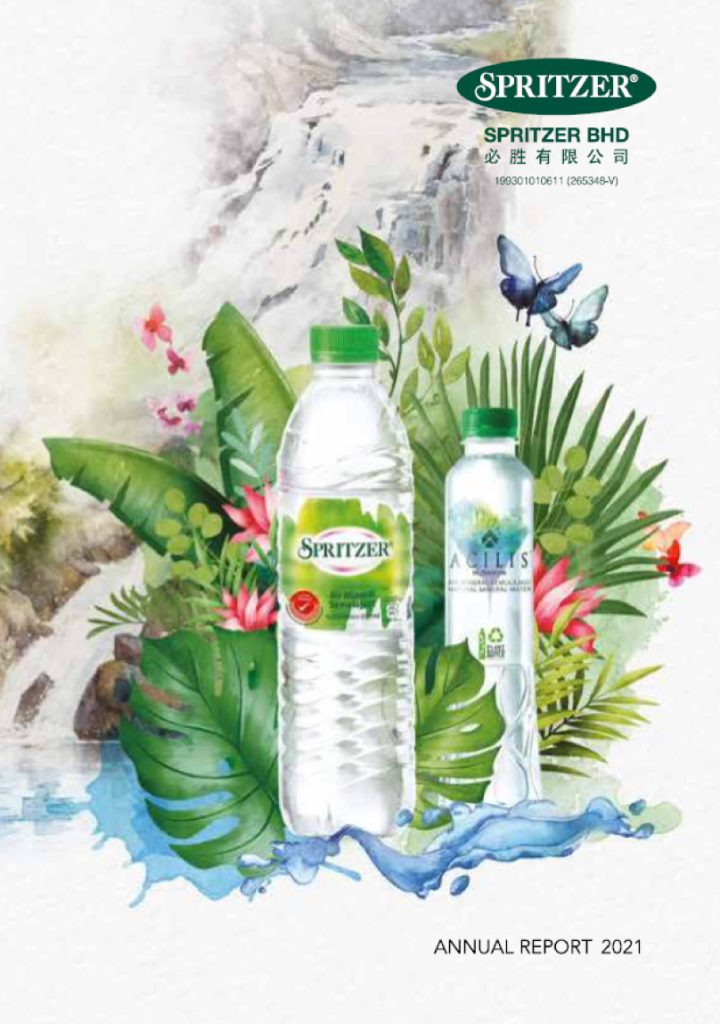
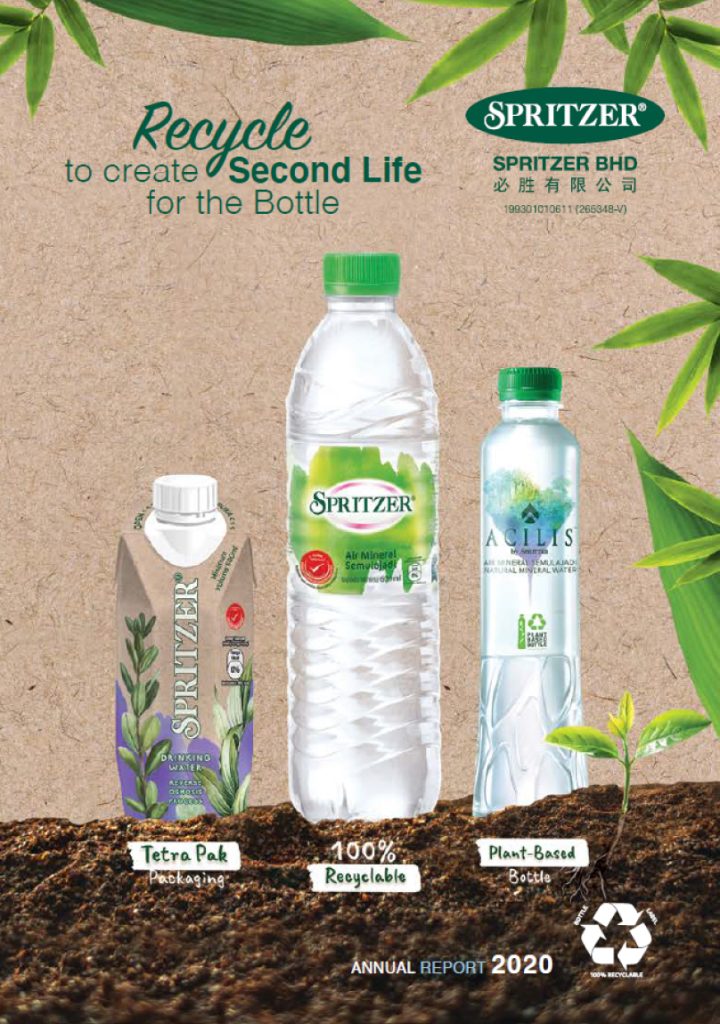
Whatever the group chat says about pH, the water that actually gets drunk is the one already in your bag. Spritzer Natural Mineral Water 550 ml holds about two glasses and comes from an aquifer 420 feet beneath a protected forest reserve in Taiping, Perak, bottled at source. The bottle is also 100% recyclable, from cap to bottle.
What Is Alkaline Water?
Alkaline water is water whose pH sits above 7, the neutral point on the scale. The scale runs from 0 to 14, below 7 is acidic and above 7 is alkaline, so alkaline water is just water on the upper half of it.
Water gets there by three routes, and the route matters more than the number. Some natural mineral waters are mildly alkaline because rainwater has filtered through underground rock over years, dissolving bicarbonates and other mineral salts on the way, which is how a water like Spritzer arrives with silica, calcium, magnesium, potassium and bicarbonates already in it. Some bottled waters have alkaline minerals added during processing. Others are produced by electrolysis in a machine, and water made that way is sold as ionised water.
What the pH of Drinking Water Actually Means
The pH of drinking water is an operational measure rather than a health measure, and the water authorities treat it exactly that way. The World Health Organization’s chemical fact sheet on pH says plainly that no health-based guideline value is proposed for pH, while noting it remains one of the most important operational parameters in water treatment. In other words, pH matters enormously to the people running a treatment plant and very little to you.
Malaysia is regulated on the same basis, and this is the figure worth knowing before paying a premium. Malaysia’s National Standard for Drinking Water Quality, issued by the Ministry of Health, lists pH with an acceptable value of 6.5 to 9.0.
Why pH Alone Does Not Tell You How Alkaline a Water Is
A pH reading tells you where water sits on the scale at that moment, not how much alkalinity it carries, and those are two genuinely different properties. The United States Geological Survey defines alkalinity as the buffering capacity of water, meaning its ability to neutralise acids and hold a fairly stable pH, and names bicarbonates, carbonates and hydroxides as the compounds that create it.
That distinction matters more than anything else about alkaline water. Two waters can both read pH 9 while one carries substantial dissolved bicarbonate and the other almost none, and only the first can neutralise any meaningful quantity of acid. So a pH figure on a bottle or a machine display tells you nothing about buffering capacity, which is precisely the property the supportive research turns on.
Spritzer Pick: Before the Session
If the alkaline water pitch reached you at the gym, here is a simpler habit to start with. Before you head out for that 6 pm class, a futsal match or your first 5 km, grab a bottle of Spritzer ION and take it ON. It is a less-sugar isotonic drink made by Spritzer, at 17 kcal per serving, in Original and Lime, in 500 ml and 1.5 L bottles. ON-JE!
Alkaline Water Benefits: What the Evidence Supports
The benefits attributed to alkaline water mostly disappear once it is tested against ordinary mineral water. A systematic review in Reviews on Environmental Health pooled ten eligible studies, two of them on alkaline water, and found no significant difference in gut microbiota, urine pH, blood parameters or fitness parameters. Its conclusion was that recent evidence does not prove any additional health effect of alkaline water compared with mineral water.
Major medical institutions land in the same place. Harvard Health states there is no evidence to support choosing bottled or home-treated alkaline water over safe tap water or regular bottled water, and explains that even if you drank enough alkaline water to raise your blood pH slightly, your kidneys would quickly rebalance it. The familiar claims about slowed ageing, detoxification, stronger immunity and disease prevention have no clinical support.
One narrow finding does hold up, and it is worth taking seriously. In a laboratory study in the Annals of Otology, Rhinology and Laryngology, Koufman and Johnston found that alkaline water at pH 8.8 irreversibly inactivated human pepsin, the stomach enzyme involved in reflux damage, and buffered acid far better than conventional-pH waters.
Read the fine print on that one, though, because it is the most misquoted study in the category. The buffering came from the water’s natural bicarbonate content rather than from its pH reading. The test was run in a lab rather than in people. And Harvard Health notes any reflux relief would be temporary.
Alkaline Water Side Effects and Who Should Avoid It
Alkaline water has few side effects for healthy adults at normal quantities, and the most common complaint is simply taste, since Harvard Health notes it will likely taste bitter. The real risks are concentrated in two specific groups, and one of them is routinely overlooked.
Harvard Health identifies people taking medication for acid reflux, because those medicines already raise stomach pH and alkaline water could raise it further, which might increase blood pH and alter normal blood potassium levels. That risk is greater in anyone who also has kidney disease, since healthy kidneys are what correct such shifts in the first place.
The practical rule is short. If you have kidney disease, take regular medication, or live with a diagnosed condition, ask a doctor or pharmacist before making alkaline water your everyday water. Not because it is dangerous, but because it is your everyday water, and everyday matters more than occasional.
How Alkaline Water Is Made and How to Make It at Home
Alkaline water is produced commercially in two ways and at home in one, and the home version is where most of the myths live. A water ioniser, often sold as an alkaline water purifier, passes an electric current through incoming water and splits it into an alkaline stream and an acidic stream, and only the alkaline stream is meant for drinking. Bottled alkaline water and bottles with mineral cartridges instead raise pH by adding alkaline minerals.
One limit applies to every machine ever made, and it follows directly from what alkalinity is. Because alkalinity comes from bicarbonates and mineral salts already dissolved in the feed water, an ioniser can only rearrange what your tap water already contains. It cannot add minerals that were never there. Branded ioniser waters, of which Kangen water is the most heavily marketed here, are alkaline water produced by this same process, so the same limit applies to them too.
At home the honest options are narrower than the internet suggests. A small quantity of sodium bicarbonate stirred into water does raise its pH, though it also adds sodium, which matters on a salt-restricted diet. And lemon does not make water alkaline at all. Lemon juice is strongly acidic and lowers the pH of whatever it goes into, whatever the wellness copy says.
Spritzer Pick: Citrus Without the Myth
If lemon water was your idea of a daily upgrade, keep the citrus and drop the pH story. Spritzer Sparkling comes in Lemon, alongside Classic and Sea Salt and Citron, and each one is carbonated natural mineral water with zero sugar, zero sweeteners, zero calories and no preservatives. The 400 ml bottle sits easily on a desk, while the 1 L bottle suits gatherings, celebrations and a jug of mocktails.
Alkaline Water Compared With Natural Mineral Water
The real difference between alkaline water and natural mineral water is not the pH reading but where the minerals came from and whether the source is disclosed. Under the international Codex standard for natural mineral waters, natural mineral water must be obtained directly from an underground water-bearing stratum, is characterised by its mineral salts and trace elements, and must be packaged close to the point the source emerges. Transporting it in bulk containers before packaging is prohibited outright, and treatments are permitted only if its essential mineral constituents are not modified.
The same standard decides what a label must tell you, and this is where pH marketing quietly falls apart. Codex requires the analytical composition that gives the product its characteristics to be declared, along with the location and name of the source, and it prohibits any claim of medicinal, preventative or curative effects. It does not require pH to be declared at all. So the mineral analysis on the back of a bottle is the disclosure worth reading, while a pH figure on the front is a marketing choice rather than a regulated one. We set the two Malaysian categories out in full in our guide to mineral water versus drinking water.
Read that way, waters separate by origin and process rather than by position on the pH scale. Ioniser water begins as treated tap water and gains its alkalinity from an electric current in your kitchen. Natural mineral water forms underground over years and must declare the mineral profile it arrives with. Distilled water sits at the far end, because distillation removes minerals instead of adding them.
Choosing Between Alkaline Water and Natural Mineral Water in Malaysia
Choosing between the two comes down to one question, and it is not about pH. Since a systematic review in Reviews on Environmental Health measured alkaline water against ordinary mineral water and found no additional health effect, and since Codex requires a natural mineral water to declare its composition and its source while requiring no pH figure at all, the useful question is where the minerals came from.
Spritzer is Malaysia’s number one natural mineral water, drawn from an aquifer 420 feet beneath a protected forest reserve in Taiping, Perak, and bottled at source. Its water naturally contains silica, calcium, magnesium, potassium and bicarbonates, all of it from the rock the water travelled through rather than added afterwards, and production is certified to FSSC 22000 and ISO 9001 and halal certified by JAKIM. Compare the 550 ml size that fits a bag, or Spritzer Sparkling if you want bubbles without sugar, and read how quality and safety is verified at the source.
You do not need a machine to drink enough water. You need a bottle within arm’s reach, and our guide to how much water to drink a day has the number.
Frequently Asked Questions
1. Is alkaline water worth the price of a machine or bottled supply?
Alkaline water is worth its price only if you expect something from it that the evidence actually supports, and the cost sits at one end while the evidence sits at the other. Water ionisers are among the most expensive water appliances sold and bottled alkaline water carries a premium, yet the research comparing the two finds no additional health effect. If your aim is daily hydration, cost per litre is the more practical measure.
2. What is mild alkaline water?
Mild alkaline water is a marketing description rather than a defined category, and it generally means water around pH 7.5 to 8.5 instead of the higher settings a machine can produce. Since Malaysia’s drinking water standard already permits an acceptable pH of up to 9.0, water sold as mildly alkaline often falls inside the range that ordinary treated and bottled water already occupies.
3. What happens if you drink alkaline water every day for a month?
Drinking alkaline water every day for a month will keep you hydrated, as any safe drinking water would, but it will not change your blood pH, because the kidneys and lungs hold blood pH within a narrow range regardless of what you drink. Improvements reported over a month are usually explained by drinking more water overall, and anyone taking acid reflux medication or living with kidney disease should check with a doctor first.
4. Are there alkaline drinks other than water?
Alkaline drinks other than water do exist, and they are usually mineral-rich or bicarbonate-containing beverages rather than anything specially engineered. Bicarbonate-rich mineral waters, milk and some vegetable juices sit above or near neutral, whereas most soft drinks, coffee, fruit juices and cordials are distinctly acidic. As with alkaline water, a drink’s pH says nothing about its nutritional value, so sugar and mineral content are more useful to compare.
This article is for general information and is not medical advice. Speak to a doctor or pharmacist about any specific health concern.
Sources
- World Health Organization – pH in drinking-water, chemical fact sheet
- Ministry of Health Malaysia – National Standard for Drinking Water Quality
- United States Geological Survey – Alkalinity and Water
- Reviews on Environmental Health – Health effects of alkaline, oxygenated, and demineralized water compared to mineral water among healthy population: a systematic review
- Harvard Health Publishing – Is alkaline water better?
- Annals of Otology, Rhinology and Laryngology – Potential Benefits of pH 8.8 Alkaline Drinking Water as an Adjunct in the Treatment of Reflux Disease
- Codex Alimentarius – Standard for Natural Mineral Waters, CXS 108-1981