
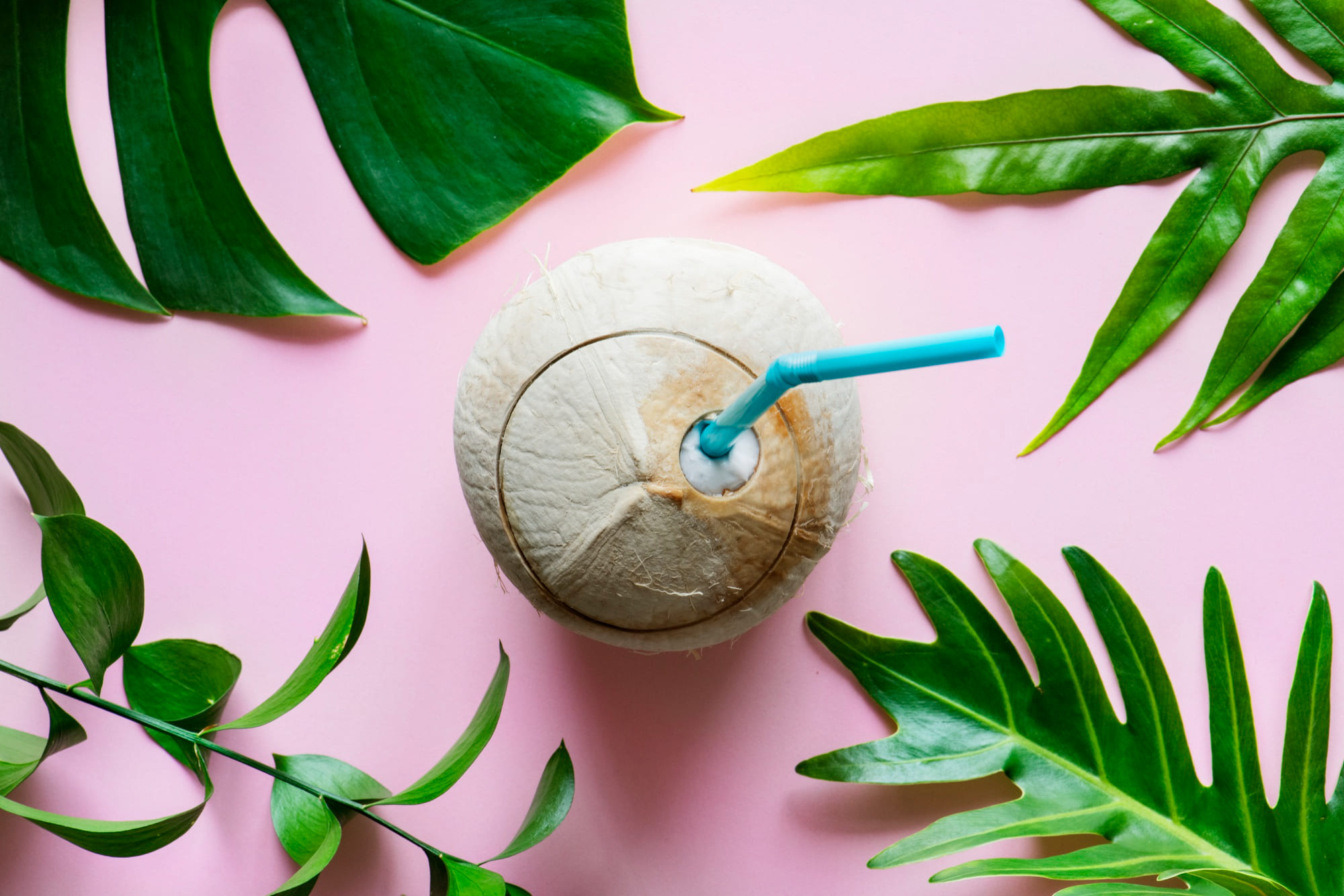
The uncle at the stall takes two swings with the parang, drops in a straw, and hands you the best thing about a 34-degree afternoon.
Coconut water is about 94 per cent water, carries roughly 20 to 25 calories per 100 ml, and is genuinely rich in potassium. What it has very little of is sodium, and that one fact is why it works beautifully as a treat and not at all as a rehydration drink.
Spritzer Pick: Between Stall Stops
The coconut is the treat, but the rest of a hot Malaysian afternoon still runs on plain water, and the easy fix is a bottle that lives in your bag. Spritzer Natural Mineral Water 550 ml holds about two glasses and is drawn from an aquifer 420 feet beneath a protected forest reserve in Taiping, Perak, then bottled at source. Zero calories, zero sugar, and halal certified.
What is coconut water?
Coconut water is the clear liquid sitting inside a young green coconut, and it gets there all by itself as the fruit grows. While the coconut is still green, that liquid is at its most plentiful. As the nut ripens, the water slowly disappears into the firm white flesh that ends up as santan and desiccated coconut.
You will hear it called a few different things. Coconut juice means the same drink, buko juice is what Filipinos call it, and air kelapa is what you will say at the stall. All one thing.
The mix-up worth clearing up is coconut water versus coconut milk, because people swap the two constantly. Coconut water is the watery bit you drink straight. Coconut milk is made by grating the solid flesh, with or without water added, and that is santan here and gata in the Philippines.
Coconut water calories and nutrition
Coconut water is mostly water, and the figure is around 94 per cent, with sugars, minerals and amino acids making up the rest. On calories, an eight ounce serving runs roughly 45 to 60, so about 20 to 25 per 100 ml. Low for something this sweet, but not free.
Potassium is where coconut water earns its reputation, and the numbers here deserve a proper look. Malaysia’s own food composition database, MyFCD, puts coconut water at 22 kcal, 5.6 g of carbohydrate and 198 mg of potassium per 100 g. International reviews report a good deal more, roughly 250 to 312 mg per 100 g. Neither is wrong.
The spread is the answer. A 2025 review of coconut water found its make-up shifts with the variety of coconut, how ripe it is, and even the soil it grew in. So no two coconuts are quite the same drink, which is charming in a fruit and useless in a nutrition label. Bottled water does not have that problem: Spritzer, for example, prints a fixed mineral analysis because it all comes from one aquifer, while a coconut prints nothing because it grew on a tree.
The benefits of drinking coconut water
Coconut water has three real benefits, and the list is shorter than the internet would like. Potassium, less sugar than the soft drink you would otherwise have bought, and the fact that people actually want to drink it.
Potassium, and what it is actually good for
Potassium is coconut water’s genuine contribution, and your body uses it to keep fluid balance, nerve signals and muscles working properly. Not many everyday drinks carry this much of it, which is the honest basis for the whole reputation.
If your diet is light on fruit and vegetables, that is worth something.
Lower in sugar than most sweetened drinks
Unflavoured coconut water carries far less sugar and fewer calories than soft drinks, cordials and packaged juices. Swap the teh ais for a plain coconut and you have genuinely cut your sugar without giving up on flavour, which is the rare trade that works.
The catch is on the shelf, not in the fruit. Flavoured and sweetened cartons can carry a lot more sugar than the real thing, so turn the box around. The palm tree on the front tells you nothing.
Spritzer Pick: Fruity Fizz, No Sugar
When the afternoon craving is for something cold, fruity and bubbly rather than another can of soft drink, reach for So Tinge! by Spritzer. It is a fruity soda made with natural mineral water, rich in silica, with no sugar, no colouring and low calories, at 28 kcal for the Lemon flavour. There is Lemon, Grape, Watermelon Lychee, Peach and Apple to choose from, so the coconut can stay a stall treat.
What coconut water cannot replace
Coconut water cannot replace a rehydration solution, and this is the single most important thing to know about it. Sweat takes sodium out along with water, a proper ORS is built around sodium for exactly that reason, and coconut water carries far less sodium than an ORS does.
So the whole natural sports drink idea falls apart on sodium. Same for using it to ride out a stomach bug. If someone at home has diarrhoea or is vomiting, especially a child, get an ORS sachet from the pharmacy and follow your doctor, not a coconut. We lay the sodium figures side by side in our guide to electrolyte drinks.
Young green coconut versus mature coconut
Young green coconuts hold the most water and taste the mildest and sweetest, which is exactly why those are the ones stacked in ice at the stall. Ripeness is not just cosmetic either. Research on coconut water found the contents shifting across stages of maturity, so a young nut and an old one are not the same drink at all.
Mature brown coconuts hold far less water, and what is left tastes flat as the liquid gets pulled into the thickening flesh. Those are grown for flesh, oil and santan. Green is what you drink, which is why the uncle keeps reaching for the green pile.
Fresh coconut water versus packaged coconut water
Fresh coconut water has nothing added and nothing taken out, and that is the whole appeal. The problem is timing, not nutrition. Once the nut is open the liquid starts fermenting and losing flavour within hours, so you cannot save it for later. Anyone who has left half a coconut in the car already knows this.
Packaged coconut water is pasteurised so it keeps, and that costs a little flavour and can knock about some of the more delicate nutrients. Fair trade for being able to buy it in January. When you do buy a carton, check whether it says 100 per cent coconut water or whether sugar, flavouring or concentrate has shown up too.
That habit pays off with bottled water as well, where the mineral analysis on the back tells you far more than the branding on the front. A natural mineral water has to declare what is in it, which is why a bottle of Spritzer carries an analysis rather than a list of adjectives, and why the difference between mineral water and drinking water comes down to the label rather than the marketing.
Spritzer Pick: The Party Jug Base
Hosting a makan at home and tempted by a stack of sweetened cartons? Build the drinks jug on Spritzer Sparkling instead. It is carbonated natural mineral water with zero sugar, zero sweeteners, zero calories and no preservatives, and the Classic flavour blends well with fruit punches, so a 1 L bottle over ice and cut fruit does the job. Lemon, and Sea Salt and Citron, suit guests who like their mocktails a little more creative.
Is coconut water better than plain water?
Coconut water is not better than plain water for everyday hydration, and Mayo Clinic puts it bluntly: coconut water is no more hydrating than plain water, and weighing everything up, plain water is still the smart choice.
That is not a knock on coconut water. After a long sweaty afternoon the potassium is genuinely nice to have, and it is streets ahead of a sweetened drink. But it carries calories and sugars that water does not, and sipping it all day instead of water adds both without adding hydration.
So the split is easy. Coconut water is the treat you look forward to. Plain water does the quiet daily work, and a small bottle in your bag, a 550 ml Spritzer for instance, costs you nothing at all. And if it is the plainness that puts you off, sparkling mineral water such as Spritzer Sparkling is still water with bubbles and no sugar. How much you need in a day is worked out properly in our guide to daily water intake.
Making daily hydration effortless
Daily hydration comes down to what is within reach when you are not thinking about it, not what you drink on purpose once in a while. Malaysia’s heat and humidity pull fluid out of you all day, and the air conditioning does it quietly while you feel perfectly fine. The bottle on your desk beats the good intention every single time.
Spritzer is Malaysia’s number one natural mineral water, drawn from an aquifer 420 feet beneath a protected forest reserve in Taiping and bottled right there at the source. Its silica, calcium, magnesium and potassium all come from the rock the water travelled through, not from anything stirred in afterwards. It is certified to FSSC 22000, ISO 9001 and JAKIM halal, and its products are certified to meet NSF Beverage Quality requirements.
Start today, not Monday. Put a bottle where you work, and drink before you are thirsty.
Frequently Asked Questions
1. Is coconut water good for you?
Coconut water is good for you in the ordinary, unexciting sense: it is low in calories, it carries real potassium, and it is a far better choice than whatever sweetened drink you would have bought instead. What it is not is a treatment for anything, and for plain daily hydration water still does the job better.
2. How many calories are in coconut water?
An eight ounce serving of unflavoured coconut water carries roughly 45 to 60 calories, which works out at about 20 to 25 calories per 100 ml. That is low for something that tastes this sweet, but it is not zero, and the flavoured cartons on the shelf can carry considerably more.
3. Is coconut water the same as coconut juice or buko juice?
Coconut water, coconut juice, buko juice and air kelapa are all the same drink wearing different names, so you will get the same thing whichever one you ask for. Coconut milk is the odd one out, because santan is made from the grated flesh and is far higher in fat.
4. Can I drink coconut water every day?
Drinking coconut water every day is fine for most people, as long as you count its calories and natural sugars as part of your day rather than treating them as free. The exceptions do matter though, so anyone with kidney disease or diabetes, or taking blood pressure medication, should check with a doctor first.
5. Is coconut water good for dehydration or diarrhoea?
Coconut water is fine for ordinary thirst but it is the wrong tool for diarrhoea or vomiting, because its sodium is far too low to do what a rehydration solution does. Get an ORS sachet from the pharmacy instead, and for a young child or an elderly relative, follow your doctor rather than a home remedy.
This article is for general information and is not medical advice. Speak to a doctor or pharmacist about any specific health concern.
Sources
- Malaysian Food Composition Database (MyFCD), Ministry of Health Malaysia – Nutrient composition of coconut water
- Mayo Clinic – Coconut water: Is it super hydrating?
- PubMed Central – Research Progress in Coconut Water: A Review of Nutritional Composition, Biological Activities, and Novel Processing Technologies
- PubMed Central – The Chemical Composition and Biological Properties of Coconut (Cocos nucifera L.) Water


